

 Udemezue John
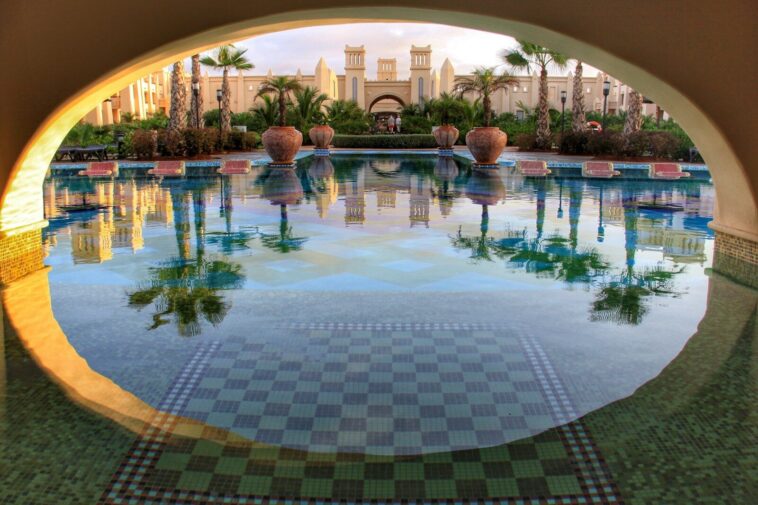
Cape Verde is a cluster of ten beautiful islands sitting in the Atlantic Ocean, right off the coast of West Africa. When you look at a globe, you will see these islands sit just a few degrees north of the equator.
This specific spot on the map is not just a trivia fact. It dictates almost every single part of daily life on the islands. It changes the weather, influences the plants that grow, and shapes how people live.
Make sure to subscribe to this article
Being so close to the center of the earth gives Cape Verde a unique setup. Here are seven reasons why this geographical location matters so much for the islands and anyone who visits them.
1. Warm Weather All Year Long
The most obvious effect of being near the equator is the temperature. Cape Verde does not experience the traditional four seasons that people in Europe or North America feel. There is no freezing winter, no snow, and no autumn leaf changes.
Instead, the islands get direct sunlight all through the year. The sun hits the earth at a steep angle near the equator, which means the heat stays strong and steady.
Predictable Temperatures
The average daytime temperature in Cape Verde stays between 24°C and 30°C. Even during the coolest months of January and February, you can walk around in a t-shirt and shorts.
No Extreme Heat Waves
You might think being close to the equator means the heat is unbearable. However, Cape Verde is surrounded by the Atlantic Ocean. The surrounding ocean water cools the air down, preventing the extreme, dry heat you find in continental deserts.
2. Reliable and Consistent Daylight Hours
In many parts of the world, winter means the sun sets at 4:00 PM, leaving people with very short days. In summer, the opposite happens, and the sun stays up until late at night.
Cape Verde does not have this issue. Because it is close to the equator, the length of the day changes very little from month to month.
Equal Days and Nights
You can expect roughly 11 to 12 hours of daylight every single day, no matter the month. The sun usually rises around 6:00 AM and sets around 6:30 PM.
Easy Planning
This consistency makes planning daily life very simple. Businesses, farmers, and outdoor workers know exactly how much light they have to work with each day. It removes the seasonal winter blues that many people experience in northern countries.
3. Warm Ocean Water for Swimming
In colder regions, even if the summer air is hot, the ocean can remain freezing cold. In Cape Verde, the equatorial sun heats the ocean water continuously.
The sea temperature rarely drops below 22°C in the winter and can rise to 27°C in the late summer months.
Water Sports Hub
This permanent warmth makes the islands a major hub for water activities. People can swim, surf, snorkel, and scuba dive comfortably without needing thick, heavy wetsuits all the time.
Healthy Marine Ecosystem
The warm water acts as a giant heater for the local marine life. Coral reefs can grow, and various fish species thrive because the water temperature never drops to a dangerous level.
4. Massive Potential for Solar Energy
As the world looks for cleaner ways to create electricity, Cape Verde has a massive natural advantage. The direct, intense sunlight caused by its equatorial position means solar power is highly efficient here.
The islands receive a massive amount of sunshine hours per year. This makes solar panels a highly reliable source of energy.
Reducing Reliance on Imports
Historically, islands have to import expensive oil to generate electricity. Cape Verde’s location allows the country to transition toward independent, green energy by capturing the sun’s power.
Powering Local Communities
Solar energy projects are helping small, remote villages get steady electricity. This power runs water pumps, lights up schools, and keeps medical clinics operating without relying on a fragile main grid.
5. A Sanctuary for Unique Marine Life
The combination of warm equatorial waters and deep ocean currents creates a perfect environment for sea creatures. Cape Verde acts as a meeting point for many marine species that travel across the Atlantic.
Loggerhead Sea Turtles
The warm, sandy beaches of islands like Sal and Boa Vista are globally important nesting sites for Loggerhead sea turtles. These turtles require specific warm sand temperatures to successfully hatch their eggs, a condition perfectly met by Cape Verde’s climate.
Whale Migrations
Humpback whales use the warm waters around the islands as a safe nursery. They travel from colder northern waters to give birth to their calves in the sheltered, warm bays of Cape Verde during the winter months.
6. The Creation of Surprising Microclimates
You might assume that being close to the equator means every island looks exactly the same. In reality, Cape Verde’s position interacts with its high volcanic mountains to create vastly different environments across the islands.
The trade winds moving across the equator carry moisture. When this moisture hits the tall mountains, it creates microclimates.
Desert Islands
Islands like Sal, Boa Vista, and Maio are flat and sandy. They do not catch the rain clouds, so they look like extensions of the Sahara Desert, surrounded by blue water.
Lush, Green Valleys
Islands like Santo Antão, Santiago, and Brava have high peaks. They trap the clouds, creating wet, foggy, and incredibly green valleys where rivers flow and lush plants grow. This variety is entirely due to how the equatorial winds hit the island terrain.
7. Ideal Conditions for Tropical Agriculture
The constant warmth and specific rain cycles allow Cape Verde to grow crops that struggle in colder climates. While water scarcity can be an issue, the areas with access to water take full advantage of the equatorial climate.
Volcanic Coffee
On the island of Fogo, coffee plants grow inside and around the slopes of a volcanic crater. The combination of rich volcanic soil and tropical heat creates a highly prized, rich coffee flavor.
Tropical Fruits
Farmers can grow fruits like bananas, papayas, mangoes, and sugar cane. These plants require constant warmth and fail instantly if exposed to frost. In Cape Verde, frost simply does not exist.
Summary of Cape Verde’s Equatorial Features
| Feature | Impact on Cape Verde |
| Temperature | Stays between 24°C and 30°C all year. No winter frost. |
| Daylight | Steady 11 to 12 hours of light every single day. |
| Ocean Temp | Hovers between 22°C and 27°C, ideal for wildlife and swimming. |
| Energy | High solar power potential due to direct sun rays. |
| Wildlife | Crucial nesting ground for turtles and nursery for whales. |
Frequently Asked Questions
Does Cape Verde ever get cold?
Not in the way northern countries do. The lowest temperatures at night during the coolest months might drop to around 18°C. You might need a light jacket for the evening breeze, but you will never see frost or snow at sea level.
Is there a rainy season in Cape Verde?
Yes, Cape Verde has a brief rainy season, usually between August and October. Because it is near the equator, these rains often come in short, heavy downpours rather than long weeks of grey skies. Some years see very little rain at all.
Is the sun stronger in Cape Verde?
Yes, the sun is significantly stronger because of the angle at which the rays hit the earth near the equator. Sunburn can happen much faster here than in Europe or North America, so using sun protection is highly recommended at all times of the day.
Does Cape Verde experience hurricanes?
Cape Verde sits in the zone where many Atlantic hurricanes actually begin to form. However, the storms are usually just weak tropical depressions when they pass the islands. They typically gain their destructive strength later as they move west across the warmer waters toward the Caribbean and the Americas.
Conclusion
Cape Verde’s position near the equator shapes everything that makes the islands special. It creates the steady warmth, keeps the ocean comfortable, and provides reliable daylight hours that define the rhythm of local life. It allows unique marine animals to thrive and creates unexpected green valleys right next to sandy deserts. Understanding this geographic location helps you see why these islands look, feel, and live the way they do.
How do you think your daily routine would change if you lived in a place with equal daylight and warm weather all year long? Let us know your thoughts in the comments below.


GIPHY App Key not set. Please check settings