

 Udemezue John
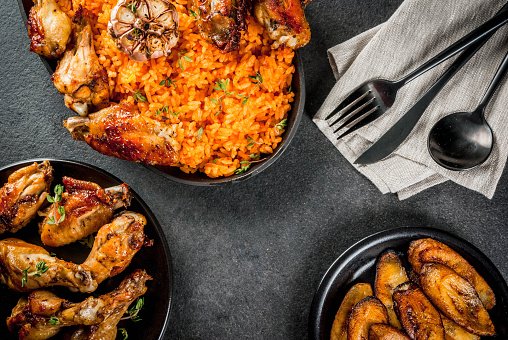
Food is one of the few items people buy every single day, no matter the economic climate. In Nigeria, the demand for quick, delicious, and affordable meals is constantly growing.
Busy professionals need convenient lunch options, families order prepared meals for events, and students look for budget-friendly bites between classes. This steady demand makes food service one of the most reliable industries to enter.
Make sure to subscribe to this article
Building a successful food venture takes more than passion for cooking. Running a food business requires clear planning, cost control, strict hygiene, and smart local marketing.
Without these, even the best recipes can fail to turn a profit. Here is a practical, step-by-step guide to starting and growing a profitable food business in Nigeria.
Step 1: Choose Your Food Niche and Business Model
Trying to cook every type of meal for every type of customer is a common mistake. Focus on a specific area so you can manage inventory, control costs, and build a clear brand.
Before spending money on equipment, decide on your business model:
- Cloud Kitchen / Online Food Vendor: Prepare food from a home kitchen or private facility and sell exclusively through delivery. This model keeps overhead costs low since you do not pay rent for a dining hall.
- Catering Services: Prepare meals for corporate events, weddings, and private parties. This model offers predictable cash flow because clients pay deposits upfront.
- Specialty Food Items: Focus on single items like baked goods, small chops, fresh smoothies, or packaged local spices.
- Foodstuff Supply: Source raw agricultural produce from rural markets and supply urban households or restaurants.
When deciding, evaluate your skill level, available startup capital, and kitchen space. Learning how to choose a profitable food niche helps you identify gaps in your local market before spending a single Naira. If you prefer low starting costs, consider starting an online food business in Nigeria or running a home-based catering business. Specialized models like a small chops business or a bakery business also offer strong profit margins if you target office workers and event planners.
Step 2: Conduct Local Market Research
Understanding local market demand prevents costly pricing and menu mistakes. Food preferences and spending habits vary significantly across different neighborhoods and cities.
Focus your market research on three key questions:
- Who is your primary customer? Office workers need fast, neatly packaged lunches delivered around noon. University students look for large portions at cheap prices. Busy families value pre-ordered weekend soups and stews.
- What are local competitors doing? Order from food businesses operating in your area. Take note of their prices, portion sizes, packaging quality, delivery speed, and customer service gaps.
- What is the average price point? Calculate what people in your target location are willing to pay for a meal. Charging too high scares customers away, while pricing too low eats up your profit margins.
Step 3: Business Registration and Regulatory Compliance
Legal registration builds credibility with corporate clients, opens doors to business bank accounts, and protects your operation from regulatory fines.
CAC Registration
Registering your business with the Corporate Affairs Commission (CAC) gives your brand legal protection. Customers and corporate clients trust registered brands much more than unregistered vendors. Learn the step-by-step process to register your business with CAC in Nigeria to secure your business name early.
Tax Identification Number (TIN)
A Tax Identification Number is mandatory for opening a corporate bank account in Nigeria. You can easily obtain a TIN number for your business through the Federal Inland Revenue Service (FIRS) tax portal.
NAFDAC Approval
If you plan to package, bottle, or preserve food items for retail shelf sale (such as bottled drinks, packaged chin-chin, or jarred spices), NAFDAC registration is mandatory. Understand how to register your product with NAFDAC in Nigeria to ensure your packaging meets safety standards.
Local Health Permits
Local government environmental health officers inspect food preparation spaces. Ensure your kitchen has adequate ventilation, clean water, clean waste disposal, and pest control to pass inspection and receive a food handler permit.
Step 4: Source Ingredients and Control Operational Costs
Ingredient costs fluctuate constantly due to inflation. Managing raw material costs determines whether your food business stays profitable.
To keep expenses low without sacrificing food quality:
- Buy in Wholesale Quantities: Purchase non-perishable food items like rice, oil, beans, and spices in bulk from major open markets (such as Mile 12 in Lagos, Bodija in Ibadan, or Oil Mill Market in Port Harcourt). Buying directly from wholesalers cuts ingredient costs by 20% to 35% compared to local retail shops.
- Establish Direct Supplier Relationships: Build relationships with local farmers or wholesale dealers for fresh produce and meat. Knowing how to start a foodstuff business in Nigeria provides useful strategies for buying raw food items at wholesale prices.
- Practice Strict Portion Control: Measure every ingredient. Use standardized scoops, scales, and measuring cups so every plate contains identical portions. Unmeasured portions quickly drain profits.
- Reduce Waste: Plan menus around overlapping ingredients. Cook perishable items based on actual orders or tight daily forecasts to prevent spoilage.
Step 5: Set Up Payment Systems and Delivery Logistics
Smooth payment processing and reliable delivery keep customers coming back. Late deliveries or cold food ruin great customer experiences.
Payment Processing
Offer simple, instant payment options. While bank transfers are popular, automated payment gateways streamline online ordering and prevent payment verification delays. Comparing Paystack versus Flutterwave for your online business helps you select the best platform for processing debit cards and instant transfers securely.
Delivery Infrastructure
Late deliveries hurt your reputation. You can handle logistics in two ways:
- Outsourced Logistics: Partner with established third-party dispatch companies. This eliminates motorcycle purchase and maintenance costs.
- In-House Logistics: Hire your own dispatch riders if you handle high daily volume within a specific district. Understanding how to start a dispatch rider business in Nigeria helps you manage internal delivery operations efficiently.
Always use insulated food delivery bags and leak-proof, tamper-evident packaging. Good packaging keeps food warm and shows customers that hygiene is a top priority.
Step 6: Market Your Business and Land Customers
Great food does not sell itself. You need a consistent marketing strategy to stand out from competing vendors.
- High-Quality Visuals: Food is highly visual. Invest time in taking clear photos and short videos of your dishes under natural lighting. Show the cooking process, clean kitchen environment, and final packaged meals.
- Become an Active Online Food Vendor: Create professional profiles on Instagram, TikTok, and WhatsApp Business. Learning how to become an online food vendor allows you to turn social media followers into paying daily customers.
- Targeted Paid Advertising: Use hyper-local social media advertising. Learn how to run Facebook ads in Nigeria and target users within a 5km to 10km radius of your kitchen during morning and lunchtime hours.
- Corporate Outreaches: Print simple menu flyers and drop them off at bank branches, tech hubs, and corporate offices near you. Offer a discounted trial lunch for office managers.
- Customer Loyalty Programs: Reward repeat customers with free drinks, free delivery on their fifth order, or small discounts for referrals.
Step 7: Pricing Strategy and Financial Projections
Pricing your food correctly ensures your business covers overhead costs and remains profitable.
Use this simple pricing formula for every dish:

A healthy food business target is keeping Cost of Goods Sold (COGS) at 35% to 45% of the dish’s selling price. Labor, utilities, delivery fees, and overhead should take about 30%, leaving you with a 25% to 35% net profit margin.
Reinvest your early profits back into the business to buy commercial-grade cooking equipment, freezer storage, and better packaging. If you need capital to expand your kitchen operations, explore options on how to get funding for your business in Nigeria.
Frequently Asked Questions
How much capital is required to start a food business in Nigeria?
Starting costs depend on your business model. A home-based cloud kitchen can start with 100,000 to 250,000 Naira for basic packaging, initial ingredients, and local social media ads. A small walk-in restaurant or commercial kitchen requires 1,500,000 to 5,000,000 Naira or more to cover space rental, interior fit-outs, and commercial appliances.
Do I need a physical shop space to start selling food?
No. Operating a cloud kitchen or online food business allows you to cook from home or a rented kitchen space. Orders are taken online or via WhatsApp and fulfilled strictly through delivery dispatchers.
How do I protect perishable ingredients from power outages?
Invest in a reliable generator or solar inverter system to power chest freezers. Alternatively, buy fresh meat and produce in smaller, 2-to-3-day supplies from local markets to minimize cold storage risks.
Is NAFDAC registration required for freshly cooked meals?
Freshly prepared hot meals served directly to consumers or delivered immediately by restaurants do not require individual NAFDAC product registration. However, NAFDAC certification is legally required if you bottle, package, or preserve foods for long-term shelf storage and retail distribution.
Building a profitable food business in Nigeria requires a balance between great culinary skills and solid business discipline. Focus on a specific target market, buy ingredients at wholesale prices, maintain high hygiene standards, and deliver on time. Consistency in quality and service is what builds a loyal base of repeat customers.
Which food business model or niche are you planning to launch first, and what is your biggest operational question? Share your thoughts in the comments below.


GIPHY App Key not set. Please check settings