

 Udemezue John
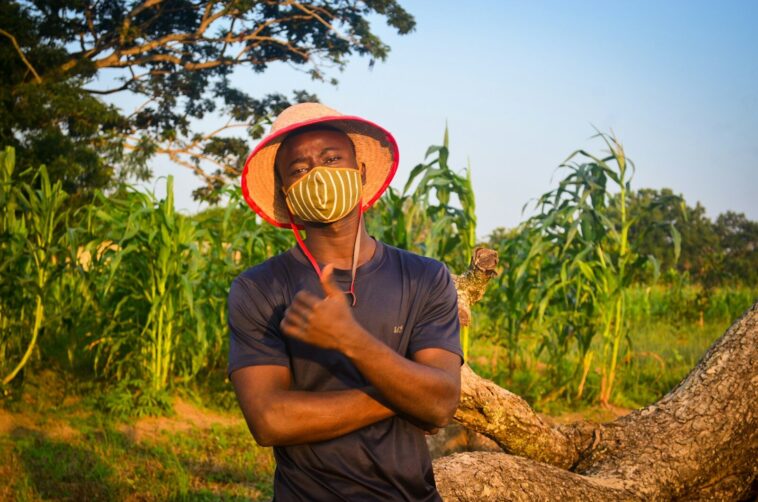
The dry season in Nigeria can be tough on farmers. From November to March, the sun beats down hard, rivers shrink, and many crops struggle to survive.
But here is the truth: you don’t have to leave your farm empty during those months.
Make sure to subscribe to this article
With a simple drip irrigation system, you can keep your vegetables and crops growing strong even when the rain refuses to show up.
Drip irrigation sounds like a big, expensive setup. But it is not. You can build one yourself using materials found in any local market or farm shop. And the best part? It saves water, reduces weeding, and delivers just the right amount of moisture directly to your plant roots. No waste. No guesswork.
Let me walk you through exactly how to set this up for your farm, step by step.
What Is Drip Irrigation And Why It Works For Nigerian Farmers
Drip irrigation is a method where water slowly drips onto the soil near each plant. Instead of spraying water everywhere (like a hose or sprinkler), you send water through small tubes with tiny holes called emitters. Water comes out drop by drop, right where the plant needs it.
Why is this perfect for dry season farming in Nigeria? Three reasons.
First, you save water. Drip systems use up to 70 percent less water than sprinklers or watering by hand. That means even a small drum or tank can water your farm for days.
Second, weeds do not grow as much. Since you are not wetting the entire ground, only the area around your crops gets moisture. Weeds between rows stay dry and struggle to sprout.
Third, it works with very little pressure. You do not need a big petrol pump or electricity. A raised drum or a small solar-powered pump is enough. Many farmers in northern Nigeria use gravity alone.
Materials You Will Need (Affordable And Local Options)
You do not need fancy imported parts. Here is a simple list of things you can find in most agricultural stores or even in open markets:
- A water tank or drum (200 litres is a good start)
- Mainline hose (black polyethylene pipe, 16mm or 20mm)
- Drip tape or drip tubing (with emitters already built in)
- Connectors and fittings (straight, elbow, and tee)
- A simple on/off valve (tap)
- A mesh filter (very important – prevents clogging)
- End caps to close the line ends
- A roll of Teflon tape to seal threads
- A small punch tool or a hot nail to make holes
If you have a borehole or a well, you may need a small water pump. A 0.5hp pump works fine for a small farm. But if you want to keep things really simple, raise your tank on a stand about one meter high. Gravity will do the work.
Where to buy: Check your nearest farm input shop. In Kano, Ibadan, Kaduna, or Abeokuta, you will find these items. Ask for “drip kit” or “irrigation hose”. A basic setup for a 10 by 10 meter plot should cost between 25,000 and 50,000 naira, depending on the quality.
Step-By-Step Guide To Setting Up Your Drip System
Take your time with each step. Rushing leads to leaks and uneven watering.
1. Plan Your Garden Layout
Walk through your farm and decide where each crop row will go. Keep rows straight and about 60 centimetres apart. For tomatoes or peppers, leave 45 centimetres between plants. For leafy greens like spinach or lettuce, 30 centimetres is fine.
Draw a simple map on paper. Mark where your water tank will sit. The tank should be at one end of the rows, not in the middle. This keeps water flow even.
Why planning matters: If your rows are uneven or too long, the water pressure will drop by the end of the line. Short rows of 15 to 20 metres work best for gravity-fed systems.
2. Prepare Your Water Source And Tank
Clean your tank thoroughly. Any dirt or sand inside will clog your emitters later. Fill it with clean water from your borehole, well, or river (if you filter the river water first).
Set the tank on a solid stand. Concrete blocks or wooden logs work fine. The higher the tank, the better the pressure. Aim for at least one metre above ground level.
Attach a valve (tap) at the bottom outlet of the tank. Wrap Teflon tape around the threads to stop leaks.
3. Lay The Mainline
Connect your mainline hose to the tank valve. Run this hose along the head of your rows – the starting point of all rows. Use connectors to split the mainline so it can feed each row separately.
Secure the hose with pegs or stones so it does not move when wind blows.
4. Attach Drip Lines To Each Row
Now run a separate drip line down the centre of each crop row. If you are using drip tape (flat tube that expands when filled), simply roll it out along the row. If you are using round drip tubing, lay it straight.
Use connectors to join each drip line to the mainline. At the far end of each drip line, attach an end cap. This stops water from rushing out the end and forces it to drip through the emitters.
If your drip line does not have built-in emitters: Punch small holes every 30 centimetres using your punch tool or a heated nail. Insert individual emitters into each hole. This takes more time but gives you control over flow.
5. Add A Filter And Pressure Regulator (If Using A Pump)
This step saves you from frustration. Install a mesh filter right after the tank valve, before the water enters the mainline. Without a filter, tiny sand particles or algae will block your emitters within weeks. Cleaning clogged emitters is a nightmare.
If you are using a pump, also add a pressure regulator. Drip systems work best at 1 to 1.5 bar pressure. Higher pressure can burst your tubing. Lower pressure gives weak drips.
6. Test The System And Adjust
Open the valve and let water flow. Walk along each row and watch the drips. Every emitter should release water at roughly the same rate.
If some emitters are dry, you may have a clog. Remove the end cap and let water flush through for a few seconds. Then put the cap back.
If water leaks at any connector, tighten it or add more Teflon tape.
Let the system run for five minutes. Then check the soil near the first plant and the last plant on each row. The moisture should be similar. If the last plant is dry, your rows are too long or your tank is not high enough.
Practical Tips For Dry Season Farming In Nigeria
Now that your drip system is running, here is how to get the most out of it.
Use mulch on top of your drip lines.
Dry season heat evaporates water fast. Spread dried grass, rice husks, or even cardboard over the soil. This keeps moisture in and cools the ground. Mulch also stops weeds.
Water early in the morning or late evening.
The sun sucks up water quickly during midday. If you water at 6am or 6pm, more water reaches the roots instead of evaporating.
Choose the right crops.
Not every crop loves drip irrigation. The best options for dry season in Nigeria are tomatoes, peppers, onions, okra, melon (watermelon and egusi), spinach, and cabbage. These respond well to steady moisture.
Clean your filter every week.
Remove the mesh screen and rinse it with clean water. A dirty filter cuts water flow and stresses your plants.
Flush the entire system every two weeks.
Open all end caps and let water run for a minute. This pushes out any sediment that built up inside.
At the end of the dry season, roll up your drip tape and store it in a cool, dry place away from rats and sun. If you take care of it, the same tape can last three to four seasons.
Common Mistakes To Avoid
Many farmers try drip irrigation once and give up because of these mistakes. Do not let this be you.
No filter.
This is the number one killer of drip systems. Without a filter, your emitters will clog in less than two weeks. Buy a filter. It costs less than replacing drip tape.
Too much water pressure.
If you connect directly to a high-pressure borehole pump without a regulator, your tubing will burst. Use a regulator or simply use a small low-pressure pump.
Placing the tank too low.
Gravity needs height. A tank on the ground gives almost no pressure. Lift it up on blocks or a metal stand.
Forgetting to flush before storage.
Leftover water inside the drip lines grows algae and bacteria. Next season, your system will be blocked. Always flush with clean water and let lines dry before rolling.
Planting too far from emitters.
Drip irrigation only wets the soil within a few centimetres of each emitter. Plant your seeds or seedlings directly next to the drippers, not between them.
Frequently Asked Questions
How much does a simple drip irrigation system cost in Nigeria?
For a small farm of 100 square metres, expect to spend between 25,000 and 60,000 naira on materials. This includes tank, hoses, filter, and connectors. The pump (if needed) adds another 40,000 to 80,000 naira.
Can I run drip irrigation without electricity or fuel?
Yes. Raise your water tank at least one to two metres high. Gravity creates enough pressure for short rows of 15 to 20 metres. Many small-scale farmers in rural areas do this successfully.
How often should I water during the dry season?
For sandy soil, run the system daily for 30 to 60 minutes. For clay soil, every other day is enough. Stick your finger into the soil near a plant. If the top two centimetres are dry, it is time to water.
What crops are not suitable for drip irrigation?
Root crops like cassava and yam do not need frequent watering. Drip is wasted on them. Also, grains like maize and rice are usually rain-fed or flood-irrigated. Stick to vegetables and fruits.
My emitters keep clogging. What do I do?
First, check your filter. If it is clean, the problem might be hard water minerals. Soak your drip lines in a mild acid solution (vinegar and water) for an hour, then flush thoroughly. For severe clogs, replace the affected emitters.
Conclusion
Setting up a drip irrigation system for dry season farming in Nigeria does not require a degree in engineering or a fat bank account.
With a tank, some hoses, and a few hours of work, you can grow vegetables all through the driest months while your neighbours wait for rain.
The key is to start small. Test on one or two rows first. Learn what works on your land. Then expand.
The dry season is not a problem. It is an opportunity. While others rest, you can harvest tomatoes, peppers, and melons when prices are highest in the market. Drip irrigation puts that opportunity in your hands.
So here is my question for you: Looking at your farm right now, which crop would you try first with a simple drip system – tomatoes, okra, or maybe watermelons? Share your thoughts below. I read every comment.



GIPHY App Key not set. Please check settings