

 Udemezue John
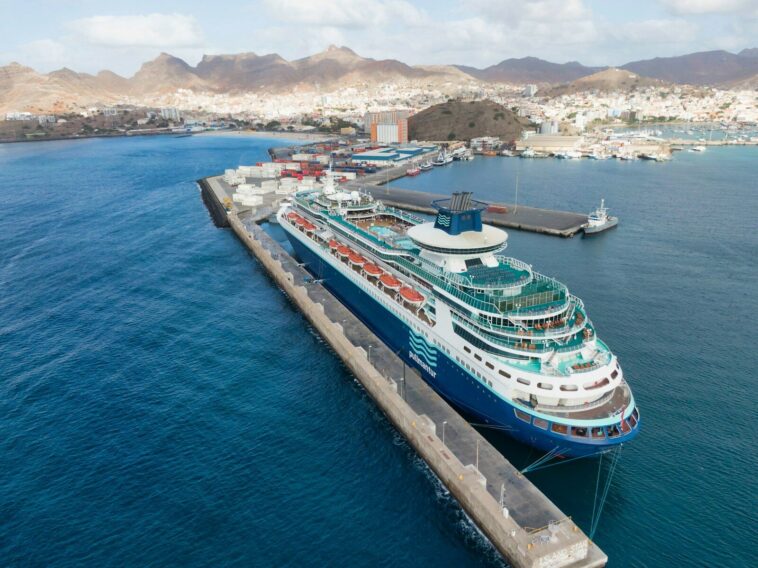
People often group Cape Verde and West Africa into the same bucket. On paper, this makes sense. Cape Verde is technically part of West Africa. It belongs to the Economic Community of West African States (ECOWAS).
But if you get off a plane in Lagos, Nigeria, and then take a flight to Sal, Cape Verde, you will feel like you landed on two completely different planets.
Make sure to subscribe to this article
While they share close ties, the differences between the mainland and this island nation are massive. Understanding these differences is highly important if you want to travel, work remotely, or do business in this part of the world.
Let’s look at what sets them apart in plain, simple terms.
The Geographical Divide: Mainland Giant vs. Island Living
The most obvious difference between West Africa and Cape Verde is the physical land itself. One is a massive piece of a huge continent. The other is a small cluster of islands sitting alone in the ocean.
West Africa: A Massive Continental Playground
West Africa is huge. It covers over five million square kilometers and includes 16 countries. Because it is so big, the landscape changes completely depending on where you go.
In the north, you have the dry, sandy borders of the Sahara Desert. As you move south, the land turns into grassy savannahs, and eventually into thick, lush rainforests. Massive rivers like the Niger River run through the land, feeding millions of people and shaping the towns built around them.
The mainland is also home to some of the biggest and fastest-growing cities in the world, like Lagos in Nigeria and Accra in Ghana. The scale of the land and the size of the population are enormous.
Cape Verde: An Isolated Volcanic Archipelago
Cape Verde is a completely different story. It is an archipelago, which means it is a group of islands. There are ten main islands and a few smaller islets, located about 500 kilometers off the coast of Senegal.
You cannot drive to Cape Verde. You can only get there by plane or boat.
The islands were formed by volcanoes. Because of this, the geography is rugged and dramatic. Some islands, like Sal and Boa Vista, are flat, dry, and covered in white sand beaches. Other islands, like Santo Antão and Fogo, feature huge black volcanic mountains, deep valleys, and green forests.
Key Geographic Point: While West Africa features massive rivers and interconnected borders, Cape Verde is isolated. It relies heavily on the ocean, and water on the islands is a scarce, valuable resource.
Cultural Differences: Continental Roots vs. Creole Identity
The cultural divide is where things get truly interesting. West African culture is deeply rooted in ancient continental traditions. Cape Verdean culture is a unique fusion born from a specific history.
West Africa: Thousands of Years of History
Mainland West Africa is home to hundreds of different ethnic groups. Think of the Yoruba and Igbo in Nigeria, the Ashanti in Ghana, or the Wolof in Senegal. Each group has its own ancient history, traditional clothing, and beliefs that existed long before European colonial powers arrived.
Because of this, the culture feels incredibly diverse. You can drive two hours in any direction on the mainland and encounter people speaking an entirely different language and practicing different customs.
The energy in mainland West Africa is loud, vibrant, and fast-paced. People are highly entrepreneurial, markets are packed with color, and life moves at a high speed.
Cape Verde: The Birth of Creole Culture
Cape Verde has a very different backstory. When Portuguese sailors found the islands in the 1400s, nobody lived there. The islands were completely empty.
The Portuguese turned Cape Verde into a central hub for the transatlantic slave trade. Over the centuries, West African people and Portuguese settlers lived together on these isolated islands. This created a completely brand-new culture called Creole culture.
Cape Verdean culture is a literal blend of Europe and Africa. It does not have ancient tribal roots like the mainland. Instead, it has a shared history of survival, sea travel, and mixture. The vibe here is much slower and more relaxed. The national motto is actually “No Stress.”
Languages and Communication
Language is another area where the mainland and the islands part ways.
Language in West Africa
In West Africa, official languages usually match the country’s colonial history. You will find English-speaking countries (like Ghana and Nigeria) and French-speaking countries (like Senegal and Ivory Coast).
However, day-to-day life happens in local languages. Millions of people speak languages like Hausa, Yoruba, Wolof, or Twi. In many places, people also speak Pidgin English or Broken French to talk to neighbors from different tribes.
Language in Cape Verde
In Cape Verde, the official language is Portuguese. It is used in schools, government offices, and the news.
But if you walk down the street, you will hear people speaking Kriolu (Cape Verdean Creole). Kriolu is a language that mixes Portuguese vocabulary with West African grammar structures. It is the true language of the heart for Cape Verdeans, and almost everyone speaks it fluently.
Food, Music, and Daily Rhythms
The daily flavors of life highlight just how different these two areas are.
Food
West African food is famous for its heat and heavy spices. Chili peppers, palm oil, ginger, and garlic are used heavily. Meals are built around starches like yams, cassava, and rice.
Cape Verdean food is much milder. Because it is an island nation, seafood is the star of almost every meal. Tuna, lobster, and octopus are always fresh.
The national dish of Cape Verde is Cachupa. It is a slow-cooked stew made of corn, beans, sweet potatoes, and whatever meat or fish is available. It is hearty and comforting, but it is not spicy like West African food.
Music
West Africa currently dominates the global music scene with Afrobeats. The music is heavy on drums, high-energy, and made for dancing in crowded clubs.
Cape Verdean music is deeply emotional and poetic. The most famous style is Morna, made popular by the singer Cesária Évora. Morna is slow, soulful, and often full of sadness and longing for the islands. They also have fast music, like Funaná, which uses an accordion and a metal scraper, but the underlying feeling remains unique to the island experience.
Frequently Asked Questions
Is Cape Verde safer than West Africa?
Generally, yes. Cape Verde is known for having a very low crime rate and a stable government. It is considered one of the safest destinations in Africa. While many parts of West Africa are perfectly safe for travelers, some mainland countries struggle with political issues or higher crime rates in big cities.
Can I use the same currency in both places?
No. Many French-speaking West African countries use the West African CFA franc. English-speaking countries have their own currencies, like the Nigerian Naira or Ghanaian Cedi. Cape Verde uses its own currency, the Cape Verdean Escudo, which is tied directly to the Euro.
Do people speak English in Cape Verde?
English is not widely spoken by locals in their homes. However, because tourism is a big part of the economy, workers in hotels, restaurants, and tour companies in places like Sal and Boa Vista speak English well.
How is the internet for remote work?
Cape Verde has good internet infrastructure compared to many parts of the mainland, especially on tourist islands. It is a popular spot for digital nomads. Major West African cities like Lagos and Accra have fast internet, but connection speeds drop quickly when you leave the big cities.
Conclusion
West Africa and Cape Verde may share a political bond, but they offer completely different worlds. West Africa gives you giant landscapes, rich tribal histories, and an unmatched energy. Cape Verde gives you peaceful volcanic islands, a unique Creole identity, and a calm rhythm shaped by the Atlantic Ocean.
Both regions have incredible value to offer, whether you want to explore new cultures, start a business, or find a peaceful place to open your laptop and work.
Have you ever visited an island nation that felt completely different from its closest mainland neighbors? Let me know your thoughts in the comments below!


GIPHY App Key not set. Please check settings