

 Udemezue John
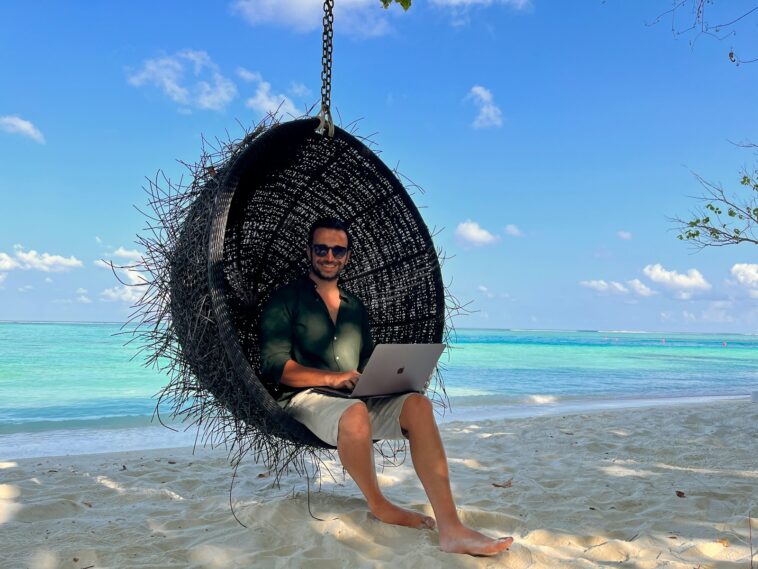
The idea of working from anywhere used to feel unrealistic. Now, it’s one of the smartest career moves you can make.
Remote work isn’t just about comfort anymore. It’s about flexibility, income stability, and control over how you live your life. I’ve spent over six years building online businesses, working remotely, and helping others do the same—and I can tell you this shift matters right now more than ever.
Companies are hiring globally. Freelance platforms are exploding. Online businesses are easier to start and scale. If you approach this strategically, you don’t need luck—you need a plan.
This guide walks you through exactly how to find remote work that genuinely supports travel, not just remote work in theory.
Understanding What “Travel-Friendly” Remote Work Really Means
Not all remote jobs are created equal.
Some companies say “remote” but expect you online from 9–5 in one timezone. Others limit where you can work due to tax or legal issues. If your goal is to travel, you need roles built for flexibility.
The Difference Between Remote and Location-Independent
Remote work means you don’t go to an office.
Location-independent work means you can work from anywhere with stable internet.
When evaluating opportunities, I always ask:
Are hours fixed or flexible?
Is the location restricted to specific countries?
Are there core meeting times?
If those answers aren’t clear upfront, that’s a red flag.
Jobs That Truly Support Travel
From real experience, these roles tend to work best:
Freelancing and consulting
Async-first remote roles
Online businesses and digital products
Affiliate marketing and content-based income
These give you control over time, not just location.
Choosing the Right Type of Remote Work for Your Skills
Before applying anywhere, get honest about what you’re already good at.
Remote work becomes sustainable when it aligns with your skills and interests. You don’t need to reinvent yourself—you need to reposition what you know.
Skill-Based Remote Roles
If you already have marketable skills, this is the fastest route.
Common options include:
SEO and content strategy
Digital marketing
Web development or design
Customer success and support
Data analysis
Project management
I started with SEO and marketing services because businesses pay well and results are measurable. That made it easier to grow income without being tied to one place.
Freelancing vs Full-Time Remote Jobs
Both work, but they offer different trade-offs.
Freelancing gives:
More flexibility
Location freedom
Higher income potential
Full-time remote roles give:
Stability
Predictable income
Less client management
If travel is your priority, freelancing or contract-based work is usually easier to manage across time zones.
Where to Find Legit Remote Jobs That Allow Travel
Finding the right platforms matters as much as having the right skills.
I’ve tested many job boards and communities over the years. Some are filled with low-quality listings. Others are goldmines.
Remote Job Boards That Are Worth Your Time
These consistently post high-quality, travel-friendly roles:
We Work Remotely
Remote OK
FlexJobs
Wellfound (formerly AngelList Talent)
Working Nomads
I recommend checking them daily and setting alerts. Competition is high, but consistency wins.
Freelance Platforms That Actually Pay Well
Not all freelance platforms are equal.
The ones I’ve seen work best:
Upwork (for long-term clients)
Toptal (for experienced professionals)
Contra
Direct outreach on LinkedIn
Avoid racing to the bottom on price. Position yourself as a specialist, not a generalist.
Building a Profile That Attracts Remote-First Employers
Your online presence is doing the talking before you ever get an interview.
This is where many people fail—not because they lack skills, but because they don’t communicate value clearly.
Crafting a Remote-Optimized Resume
Your resume should highlight:
Results, not responsibilities
Experience working independently
Tools you use for remote collaboration
Past remote or freelance work
I always quantify outcomes. Numbers build trust quickly.
Optimizing LinkedIn for Remote Work
LinkedIn is one of the most underrated tools for finding remote work.
Update your headline to include:
Your role
Your specialization
The word “remote” if applicable
Recruiters search keywords. Make it easy for them to find you.
Skills That Make Remote Travel Work Easier
Some skills make remote work smoother when you’re on the move.
These aren’t optional if you want long-term success.
Communication and Async Work
You must be comfortable:
Writing clearly
Managing expectations
Working without constant supervision
Async communication is a superpower for travelers. It allows you to work across time zones without stress.
Time Management and Self-Discipline
No one is watching you.
If you can’t manage your time, travel becomes a distraction instead of a benefit. I use strict work blocks and plan workdays around movement days.
Structure creates freedom.
Creating Income Streams That Aren’t Client-Dependent
If you want maximum flexibility, diversify your income.
This is where online business models shine.
Affiliate Marketing and Content Businesses
Affiliate marketing is one of the most travel-friendly income models I’ve built.
You create content once and earn repeatedly. No meetings. No deadlines from clients.
It takes time to build, but it scales beautifully with travel.
Digital Products and eCommerce
Other strong options include:
Online courses
Templates and tools
Print-on-demand eCommerce
Niche websites
These models require upfront work but reduce dependency on your location.
Handling Logistics While Working Remotely
Travel-friendly work isn’t just about the job. It’s about planning the details.
Internet, Tools, and Setup
Your work setup should be simple and reliable:
Lightweight laptop
Cloud-based tools
Backup internet options
Never assume Wi-Fi will be good. Always have a plan B.
Time Zones and Client Expectations
Set boundaries early.
I clearly communicate:
Availability windows
Response times
Meeting preferences
Most issues come from unclear expectations, not time differences.
Common Mistakes People Make When Chasing Remote Work
I’ve seen these mistakes over and over.
Trying to Travel Too Soon
Build stability first.
Secure consistent income before moving constantly. The first few months should focus on systems, not scenery.
Applying Without Positioning
Sending generic applications doesn’t work.
Tailor your pitch. Speak directly to the problem the company or client wants solved.
FAQs About Finding Remote Work That Allows Travel
Do I need to quit my job before going remote?
No. I recommend transitioning gradually. Build remote income alongside your current work when possible.
Is remote work sustainable long-term?
Yes—if you treat it like a real career. Systems, skills, and consistency matter more than location.
Can beginners find travel-friendly remote work?
Absolutely. Start with entry-level freelance roles, remote support jobs, or skill-based gigs while you learn.
How much money do I need before traveling?
Enough to cover at least three months of expenses. Financial buffer reduces stress and improves decision-making.
Final Thoughts on Building a Travel-Friendly Remote Career
Finding remote work that allows you to travel isn’t about escaping responsibility. It’s about designing a career that fits your life instead of the other way around.
I’ve built and scaled businesses from different countries, time zones, and environments. The freedom is real—but it’s earned through strategy and discipline.
If you had the ability to work from anywhere without sacrificing income, how differently would you design your life starting this year?



GIPHY App Key not set. Please check settings