

 Udemezue John
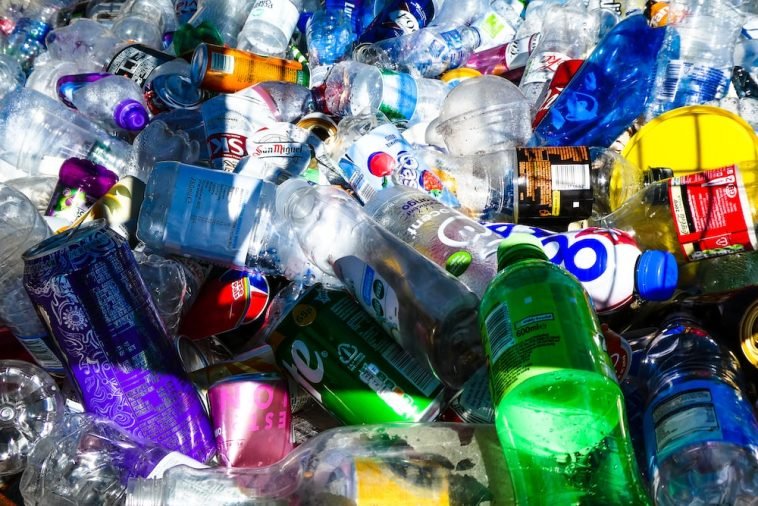
Let’s talk about turning trash into cash. I’ve spent years building online businesses and guiding entrepreneurs, and I’ve learned that the most resilient opportunities often lie in solving real, tangible problems. Right now, in Nigeria, one of the most glaring problems is also one of its most profitable ventures: plastic waste.
The streets are lined with it, the drains are clogged with it, and the demand for sustainable solutions has never been higher. This isn’t just about environmental goodwill—though that’s a powerful driver. This is about building a serious, revenue-generating business in a market ripe for disruption.
Make sure to subscribe to this article
The transition from a problem to a profitable industry is happening, and getting in now positions you at the forefront. I’m going to walk you through exactly how to do this, step-by-step, with zero fluff.
1. Understand the Landscape and Your Niche
You don’t just jump in. First, you need to know what you’re dealing with. Not all plastic is the same. It comes in different types, like PET (water bottles), HDPE (milk jugs, shampoo bottles), and LDPE (plastic bags).
Your first job is research. Visit existing recyclers if you can. Talk to potential buyers. Who needs recycled plastic flakes or pellets? Manufacturers of plastic products, textiles, or construction materials are your end game.
This isn’t a guesswork business. Your entire model depends on knowing who will buy your processed material and what specific type they want. Starting with one or two plastic types, like PET and HDPE, is a smart, focused approach.
2. Craft a Simple, Actionable Business Plan
I know, “business plan” sounds formal. Think of it as your roadmap. It forces you to answer critical questions before you spend a naira. Your plan needs a clear description of your operation, your target niche, and a basic marketing strategy. Most importantly, it needs financial projections.
List your startup costs: equipment, space, licenses, initial labor. Estimate your operating costs: rent, utilities, salaries, collection costs.
Then, project your revenue based on the going rate per kilogram of recycled plastic flakes. This document isn’t for a bank manager first—it’s for you. It shows you if the numbers actually work.
3. Handle the Legal and Regulatory Foundation
Get your business registered with the Corporate Affairs Commission (CAC). A private limited company protects your personal assets. This legitimacy matters for contracts and growth.
Next, engage with regulatory bodies like the National Environmental Standards and Regulations Enforcement Agency (NESREA) and your state’s environmental protection agency. Understand the guidelines for a waste management/recycling business. Operating with the proper permits from the start saves you massive headaches and potential fines later. It also builds your credibility.
4. Secure a Location and Basic Equipment
Your location is critical. You need a space, likely in an industrial or peri-industrial area, that has good access for trucks, reliable electricity (or space for a generator), and a water supply.
It must be large enough for sorting, storage, and processing. Zoning is key—make sure the area allows industrial activity.
For equipment, start with the essentials. You’ll need a basic sorting conveyor, a crusher or shredder, a washing tank, an agglomerator (for drying and melting), and an extruder (to create pellets). You can source these locally or import from China.
Many start by buying one or two key machines and manually handling other stages to control initial costs.
5. Set Up Your Supply Chain (Collection)
Your raw material is free—almost. You need systems to get it. You can establish collection points in communities, partner with existing waste pickers (they’re the unsung heroes of this chain), or collaborate with agencies.
Consider offering small incentives for consistent, clean plastic supply. Building a reliable network of suppliers is the lifeblood of your operation.
The cleaner the plastic you receive, the less processing you do, and the higher your profit margin.
6. Build Your Operational Process
This is your daily grind. The process is straightforward but requires consistency.
- Sorting: Separate plastics by type and color. Contamination ruins a batch.
- Shredding: Machines break down plastic into small flakes.
- Washing: Flakes are cleaned to remove labels, dirt, and residues.
- Drying & Agglomeration: Clean flakes are dried and melted into a dough-like mass.
- Pelletizing: This mass is extruded, cooled, and cut into uniform pellets—the final, sellable product.
Quality control at each stage is non-negotiable. Your buyers demand consistency.
7. Develop Your Sales and Marketing Strategy
You’ve made pellets. Now you need to sell them. Your pre-launch research comes into play here. Reach out to plastic manufacturing companies locally and regionally. Attend industry trade fairs. Use professional platforms like LinkedIn to connect with procurement managers.
Don’t underestimate the power of storytelling. In your marketing, talk about your impact. Companies are increasingly seeking sustainable supply chains. Being a certified, reliable source of recycled plastic gives you a competitive edge. This is where your digital presence—a simple, professional website and active social media pages showcasing your operation—builds trust.
8. Plan for Growth and Scaling
Start small, think big. Once your core model is profitable, you can scale. This might mean adding more collection networks in new cities, investing in more automated machinery to increase output, or expanding the types of plastic you process. You could also explore creating your own line of finished products from your pellets. The key is to reinvest your initial profits strategically to grow your capacity and market reach.
Frequently Asked Questions
How much capital do I need to start?
This is the most common question. You can start a small-scale operation with ₦2-₦5 million for basic machinery and setup.
A more automated, medium-scale plant will require ₦10 million and above. It’s possible to begin even smaller by focusing only on collection and sorting, then selling baled plastic to larger recyclers.
Is there a ready market for recycled plastics in Nigeria?
Absolutely. The demand currently outpaces supply. Local manufacturers of plastic products (chairs, tables, pipes), textile companies (making polyester fiber), and construction firms are active buyers. There’s also a growing export market.
What are the biggest challenges?
Unstable power supply is a major operational cost driver. Contamination of waste stream (dirty, mixed plastics) affects efficiency.
Also, navigating multiple regulatory agencies can be complex. These aren’t deal-breakers—they are just factors you must plan for in your model and costs.
Turning an Environmental Crisis into an Entrepreneurial Win
Starting a plastic recycling business in Nigeria is one of the most concrete things you can do. You build a profitable company, create jobs, and directly improve your environment. It’s hard work—physical, logistical, and strategic—but the blueprint is clear.
The opportunity is vast because the problem is vast. You’re not just chasing a trend; you’re building infrastructure for a more sustainable economy. I’ve seen firsthand that businesses solving core problems are the ones built to last.
So, the real question isn’t just about the steps. It’s about vision. Are you looking at that pile of plastic waste and seeing what most people see as a problem, or are you seeing the raw material for your next successful venture?



GIPHY App Key not set. Please check settings