

 Udemezue John
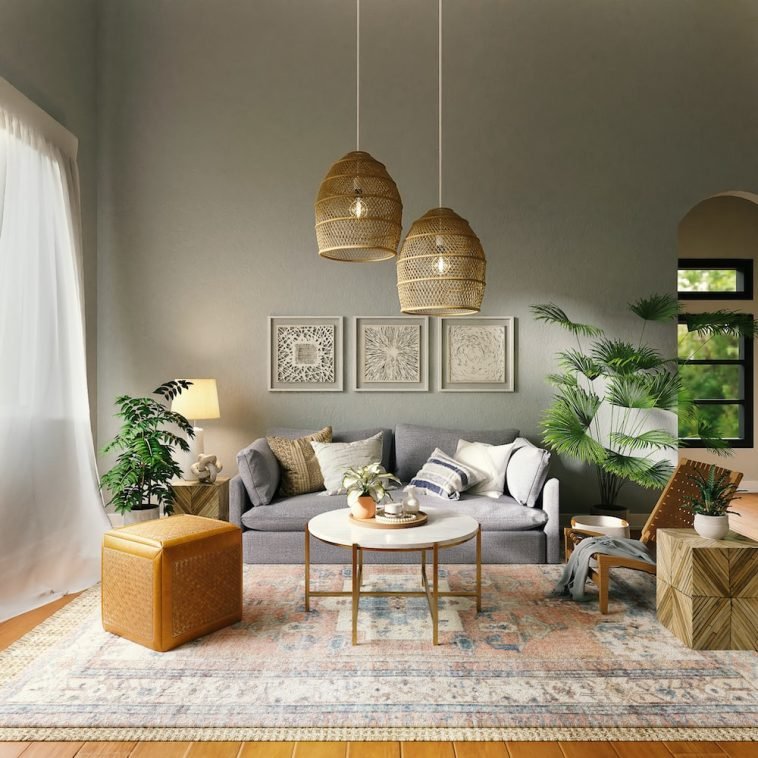
Let’s be honest. The idea of building beautiful, functional spaces for a living is incredibly appealing.
But in Nigeria, where the property market is booming and a growing middle class is investing in their homes and offices, this isn’t just a creative dream. It’s a serious business opportunity.
I’ve spent over six years helping entrepreneurs turn their skills into sustainable online businesses, and what I see in the interior design space right now is massive potential.
The transition from a talented designer to a business owner is the real challenge. It’s where most creative people get stuck. You might have an eye for color and texture, but navigating branding, pricing, and finding clients is a different skill set.
This guide won’t just tell you to “follow your passion.” I’ll give you the practical, step-by-step blueprint I’d use if I were starting this business tomorrow. We’ll focus on building a real, income-generating operation, not just a hobby.
Step 1: Build Your Foundation Before You Spend a Naira
Don’t rush to print business cards or rent an office. Your first investment should be in your own capability and clarity.
Solidify your skills. Formal education in design is great, but it’s not the only path. If you’re self-taught, consider certified online courses from platforms like Coursera or Udemy to fill knowledge gaps in areas like architectural drafting, project management, or sustainable design. Your portfolio is your biggest credential, so start creating one, even if it’s with mock-ups for friends and family.
Define your niche. This is your secret weapon. Trying to serve “everyone” means you stand out for no one. Will you focus on minimalist residential apartments in Lagos? Functional and beautiful home offices for remote workers? Commercial spaces for small businesses? A niche helps you target your marketing, speak directly to a specific client’s pain points, and command better rates. I always tell entrepreneurs, specificity is magnetic in a crowded market.
Understand the business side. Research the legal structures for small businesses in Nigeria. A business name registration with the Corporate Affairs Commission (CAC) is a typical starting point. Open a separate business account immediately. This keeps your finances clear and professional from day one.
Step 2: Craft Your Brand and Professional Presence
Your brand is the experience you promise. It’s not just a logo.
Choose a business name. Make it memorable, relevant, and ensure the domain name (a .com.ng or .com) is available. Check social media handles for it too. You want consistency across all platforms.
Develop a basic visual identity. You’re a designer, so this matters. A clean logo, a defined color palette, and one or two easy-to-read fonts. This professionalizes everything from your proposals to your Instagram posts. Use tools like Canva if you’re on a tight budget.
Build your portfolio, no matter what. This is non-negotiable. If you lack client work, design conceptual rooms for your target niche. Use free software like SketchUp or even create detailed mood boards using Pinterest and Photoshop. Photograph every project you do, no matter how small. Before-and-after shots are incredibly powerful.
Step 3: Set Up Your Operations and Pricing Model
This is where the business truly takes shape. Clarity here prevents chaos later.
Create a service menu. What exactly are you selling? Break it into clear packages. For example: Consultation Package (in-person advice and mood board), Design Development Package (full plans, sourcing list), and Full Project Management (from concept to final styling). This helps clients understand their options and upgrades.
Price for profit, not fear. This is the biggest hurdle. Do not undercharge. Your pricing must cover your time, expertise, software costs, transportation, and a healthy profit margin. Common models include:
- Fixed Fee per Project: Best for well-defined projects. Estimate all hours and costs, then add 20-30% profit.
- Hourly Rate: Good for consultations and smaller tasks. Research what other designers in your niche/experience level charge.
- Percentage of Project Cost: A common standard (e.g., 10-20% of the total furniture/decor budget). Ensure transparency.
Develop your core documents. You need three things:
- A professional proposal that outlines scope, deliverables, timeline, and cost.
- A solid contract that covers payment terms, revision limits, liability, and termination clauses. Please, invest in a lawyer to draft or review this.
- An invoice template. Tools like PayPal, Stripe, or simple invoicing software make this easy.
Step 4: Master Client Acquisition and Marketing
You can’t have a business without clients. This is a marathon, not a sprint.
Your website is your home base. It doesn’t need to be complex. Use a builder like Wix or WordPress. Have a clear homepage, an “About” page that tells your story, a stunning portfolio gallery, a list of services, and a contact page. Optimize it for local search terms like “Lagos interior designer” or “Abuja office design.”
Social media is your showcase. Instagram and Pinterest are your best friends. Post high-quality images, reels showing your process (a mood board coming together, a sourcing trip), stories with helpful tips, and client testimonials. Engage with local architects, real estate agents, and furniture vendors. Be consistent.
Network with intention. Join professional groups online and offline. Attend property and home decor exhibitions. Connect with contractors, real estate developers, and furniture makers. They can become valuable referral partners. Often, your first clients will come from your immediate network—let people know what you do!
Ask for testimonials and referrals. After a successful project, ask for a written testimonial and a few photos you can use. Happy clients are your best salespeople. A referral program offering a small discount on future services can incentivize them to spread the word.
Step 5: Deliver Excellence and Systemize for Growth
The work doesn’t stop when you get a client. This phase builds your reputation.
Communicate relentlessly. Update clients regularly. Manage their expectations. Surprise them with professionalism and clarity more than with creative flair. Good communication prevents 90% of client issues.
Manage projects tightly. Use a simple calendar or a tool like Trello or Asana to track tasks, deadlines, and orders. Keep all receipts, orders, and client communications organized.
Seek feedback and iterate. After a project, ask what you could have done better. Use this to refine your process, your packages, and your client experience. The goal is to build a business that runs smoothly, so you’re not overwhelmed as you take on more work.
Frequently Asked Questions (FAQs)
How much money do I need to start?
You can start very lean. Primary costs will be business registration, a simple website, basic design software subscriptions, and branding.
You can operate from home initially. The key is to fund your first marketing efforts and have a financial runway for 3-6 months. Start with what you have.
Is a degree in interior design necessary?
No, but competence is. Clients pay for results. A strong, well-presented portfolio and demonstrable knowledge will win you jobs.
Certifications from reputable online courses can boost your credibility significantly if you lack a formal degree.
How do I handle difficult clients?
Your contract is your first defense. Clear scope and revision limits prevent “scope creep.” For disagreements, refer back to the agreed plans and communicate calmly.
Sometimes, walking away from a problematic client is the most professional and profitable decision you can make.
How long before I become profitable?
It depends on your hustle. With effective marketing and a clear niche, you could land your first paying client within a few months.
Reaching consistent, sustainable profitability typically takes 12-18 months of persistent effort and refinement.
Final Thoughts
Starting an interior design business in Nigeria is a journey of merging your creative talent with entrepreneurial grit.
The market is ready. The demand is growing. But success will go to those who approach it not just as designers, but as savvy business owners.
It’s about building a brand people trust, creating systems that save you time, and understanding that your next project is always found through the reputation of your last one.
Take the first step today—define your niche, create that first conceptual portfolio piece, and put yourself out there.
What’s the one space you’ve always wanted to redesign, and how could that vision become the cornerstone of your new business?



GIPHY App Key not set. Please check settings