

 Udemezue John
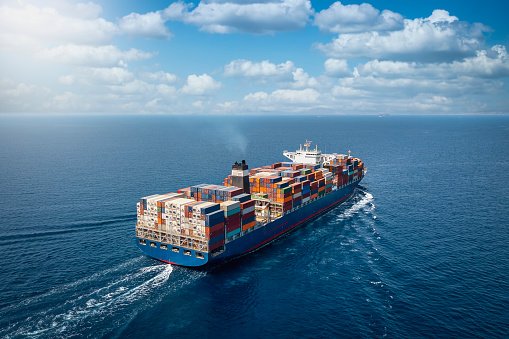
Starting an export business in Nigeria is one of the most reliable ways to earn foreign currency while building a long-term commercial enterprise. Nigeria produces millions of tons of high-demand agricultural products, solid minerals, and processed food items every year. International buyers across Europe, America, Asia, and the Middle East actively seek these items daily.
Exporting is not a get-rich-quick scheme. It is a structured trade business that requires real planning, compliance with international standards, accurate documentation, and patience. Buying products locally and shipping them overseas involves clear legal and operational steps to avoid financial loss.
Make sure to subscribe to this article
If you want to understand how starting an export business in Nigeria works from the ground up, this step-by-step guide walks you through product selection, legal setup, buyer sourcing, shipping, and risk management.
Why Exporting Goods from Nigeria Makes Business Sense
Selling products across borders gives you direct access to international markets that pay in hard currencies like US Dollars, Euros, or British Pounds. Because local sourcing costs in Nigeria are in Naira, earning in foreign currencies creates a natural hedge against domestic inflation.
Governments worldwide encourage cross-border trade. In Nigeria, agencies like the Nigerian Export Promotion Council (NEPC) offer trade facilitation programs, seller directories, and export expansion incentives designed to help local merchants scale up safely.
Beyond raw commodities, the global growth of the Nigerian diaspora has created huge demand for local foodstuffs. Millions of Nigerians living abroad regularly search for authentic home foods, creating a constant market for small and medium-scale exporters.
Top High-Demand Products You Can Export from Nigeria
Choosing the right product is the first major decision in your export journey. You must consider shelf life, local supply stability, foreign demand, and regulatory strictness.
1. Agricultural Raw Commodities
Bulk agricultural items remain the largest export category from West Africa. Foreign manufacturers purchase these items in large volumes for processing:
- Sesame Seeds: High oil content makes them a top seller in Asia and the Middle East.
- Raw Cashew Nuts: Exported in bulk to processing centers in Vietnam and India.
- Ginger and Garlic: Nigerian ginger is rated among the best in the world for its high oleoresin content and strong flavor.
- Hibiscus Flowers (Zobo Leaves): Shipped in bulk to countries like Mexico, Germany, and the US for tea production.
- Cocoa Beans: Always in high demand across European chocolate manufacturing hubs.
2. Specialized Non-Food Products
Solid minerals and processed plant materials also bring steady export income:
- Hardwood Charcoal: Widely used across Europe and the Middle East for heating and industrial use.
- Gum Arabic: Used globally as a stabilizer in food, cosmetics, and soft drinks.
- Palm Oil: Learning how to export palm oil from Nigeria offers strong profit margins, provided you meet strict purity and packaging guidelines.
3. Foodstuffs for Diaspora Markets
Shipping packaged food items directly to overseas stores or African markets is a lower-capital way to start. However, export rules vary significantly by destination.
For example, food entry standards in Europe differ from North America or Asia. Before shipping, you must study the specific rules on:
- How to export food items from Nigeria to the UK
- How to export food items from Nigeria to the USA
- How to export food items from Nigeria to Canada
- How to export food items from Nigeria to China
- How to export food items from Nigeria to Australia
Understanding destination rules prevents your shipments from being seized or destroyed at foreign entry ports.
Step 1: Complete Your Legal Business Setup
You cannot operate a legitimate export business as an unverified individual. Foreign buyers and commercial banks need proof that your business is fully recognized under federal laws.
Register a Corporate CAC Entity
You must register a Limited Liability Company (Ltd) with the Corporate Affairs Commission (CAC). Business Name registrations are generally not accepted for official commercial export licensing in Nigeria. A limited liability structure also protects your personal assets if legal or financial disputes arise. If you are new to corporate registration, review basic guidelines on how to start a small business in Nigeria to handle your setup smoothly.
Register with NEPC
Once your CAC certificate is ready, apply for an Exporter’s Certificate through the Nigerian Export Promotion Council portal. This certificate proves your business is legally licensed to ship goods out of the country. Without it, customs clearance agencies cannot clear your shipments at port terminals.
Open a Domiciliary Bank Account
Open a corporate domiciliary account with a reputable commercial bank in Nigeria. This account lets you receive direct foreign wire payments (USD, EUR, GBP) from international clients without mandatory automatic conversion at unfavorable rates.
Step 2: Master Mandatory Export Documentation
Documentation errors cause more port delays and financial losses than almost any other issue in trade. Never move cargo to a seaport or airport without preparing these vital papers:
- Form NXP: The official Central Bank of Nigeria form used to monitor all commercial exports. You register this form through your commercial bank.
- Commercial Invoice and Packing List: Details the exact quantity, description, weight, unit price, and total value of cargo being shipped.
- Bill of Lading (Sea Freight) or Air Waybill (Air Freight): The official legal contract between you and the shipping line or airline carrying your goods.
- Phytosanitary Certificate: Issued by the Nigeria Agricultural Quarantine Service (NAQS) to confirm that agricultural items are free from pests and diseases.
- Certificate of Origin: Issued by local Chambers of Commerce to prove your product was grown or produced in Nigeria.
- NAFDAC Export Certificate: Required for processed foods, drinks, or cosmetics to certify hygiene and safety compliance.
Step 3: Source Quality Products and Manage Quality Control
The single biggest reason foreign buyers reject Nigerian shipments is poor quality control. Rejection means total financial loss because returning rejected goods to Nigeria is often more expensive than the goods themselves.
Find Reliable Local Farmers and Aggregators
Travel to major production zones or work with verified aggregators. For instance, buy ginger directly from Kaduna, sesame seeds from Kano or Benue, and cocoa from Ondo or Cross River. Sourcing directly reduces middleman markups and improves overall margins.
Test and Inspect Before Packaging
Invest in third-party lab tests before buying bulk batches. Check for:
- Moisture Content: High moisture causes mold growth during 30 to 45 days of ocean transit.
- Pesticide Residues: European and American customs reject crops carrying restricted chemical traces.
- Aflatoxins: Fungal toxins often found in poorly dried nuts and grains.
Hire independent international inspection agencies like SGS or Intertek to inspect your cargo before it enters shipping containers. Showing an inspection report builds immediate trust with foreign buyers.
Step 4: Find Overseas Buyers and Secure Contracts
Finding buyers requires consistent effort and professional communication. Never send informal messages across social media expecting serious buyers to sign big contracts.
Proven Buyer Sourcing Channels
- B2B Marketplaces: Create detailed supplier profiles on platforms like Alibaba, TradeKey, and Global Sources.
- International Trade Fairs: Attend trade exhibitions organized by NEPC, foreign embassies, or trade groups. Face-to-face meetings build trust quickly.
- Foreign Importer Directories: Contact trade associations in target countries to get official lists of licensed food and commodity importers.
- Diaspora Grocery Stores: Contact owners of African and Caribbean markets in target cities directly with samples and price quotes.
Negotiate Using Clear Trade Terms (Incoterms)
Always sign a detailed Sales Agreement defining price, payment schedule, delivery timelines, and standard Incoterms:
- FOB (Free on Board): You pay for local transport, loading, and customs in Nigeria. The buyer pays for ocean freight and insurance.
- CIF (Cost, Insurance, and Freight): You cover local costs, ocean freight, and transit insurance up to the buyer’s port.
Review practical insights on how to export goods from Nigeria to other countries to understand contract drafting and international logistics workflows.
Step 5: Choose Safe Payment Methods and Ship Cargo
Protecting your capital during international payments is vital. Never ship bulk cargo on credit terms to a buyer you have not traded with for years.
Safe Payment Options
- Irrevocable Letter of Credit (LC): The safest payment method for large bulk orders. The buyer’s foreign bank guarantees payment to your Nigerian bank once you present valid shipping documents.
- Advance Telegraphic Transfer (TT): The buyer pays an upfront deposit (e.g., 30% to 50%) before processing, and clears the balance upon receiving copies of the Bill of Lading.
If you need initial capital to finance agricultural sourcing, consider applying for government agricultural backing or reviewing the Central Bank of Nigeria’s agricultural loan scheme for structured farm funding options.
Logistics and Shipping Execution
Hire a licensed, experienced freight forwarding agent in Nigeria to handle terminal drop-off, customs inspection, port handling, and vessel booking. Air freight is best suited for small food packages, herbs, and perishable products. Sea freight containers (20ft or 40ft) are essential for bulk commodities like cashew, charcoal, and sesame.
Realistic Challenges, Costs, and Earnings Expectation
Exporting offers great potential, but starting with realistic expectations prevents costly mistakes.
Startup Costs
Mini-exporting (packaged foodstuffs via air freight) can start with ₦500,000 to ₦1,500,000. Full-container sea exports for raw commodities require significant capital, often starting from ₦15,000,000 to ₦35,000,000 per 20ft container depending on product market rates.
Common Operational Risks
- Port Congestion: Delays at Lagos seaports can push back shipment schedules by days or weeks. Build buffer days into your buyer contracts.
- Price Fluctuations: Commodity prices shift fast on global exchanges. Lock in prices with contracts before buying local stock.
- Exchange Rate Risks: FX rate changes between local purchase dates and foreign invoice settlement dates require careful bank management.
Building a steady export enterprise takes roughly 3 to 6 months of active setup before landing your first completed order. Profit margins generally range between 15% and 35% per shipment cycle depending on product selection and cost efficiency.
Frequently Asked Questions
Can I start an export business from home with small capital?
Yes. You can start small through mini-exporting. This involves sourcing packaged, dried local foodstuffs, getting NAFDAC clearance, and sending smaller shipments to diaspora buyers using international courier services or air freight cargo.
How long does it take to get an NEPC Exporter Certificate?
NEPC registration is completed online. Once all required corporate CAC details and tax numbers are uploaded accurately, certificates are usually issued within 24 to 48 hours.
How do I protect my business from international payment fraud?
Never rely on unverified email screenshots showing bank transfers. Always verify funds directly inside your corporate account or use confirmed, irrevocable Letters of Credit issued by reputable global banks.
Final Thoughts
Starting an export business in Nigeria requires patience, strict quality control, and attention to proper documentation. By selecting high-demand items, registering your company legally, testing products thoroughly before shipping, and using safe payment channels, you establish a solid foundation for long-term international trade.
Which product category are you planning to export first, and what is your biggest question about finding reliable international buyers? Drop your thoughts in the comments below.



GIPHY App Key not set. Please check settings